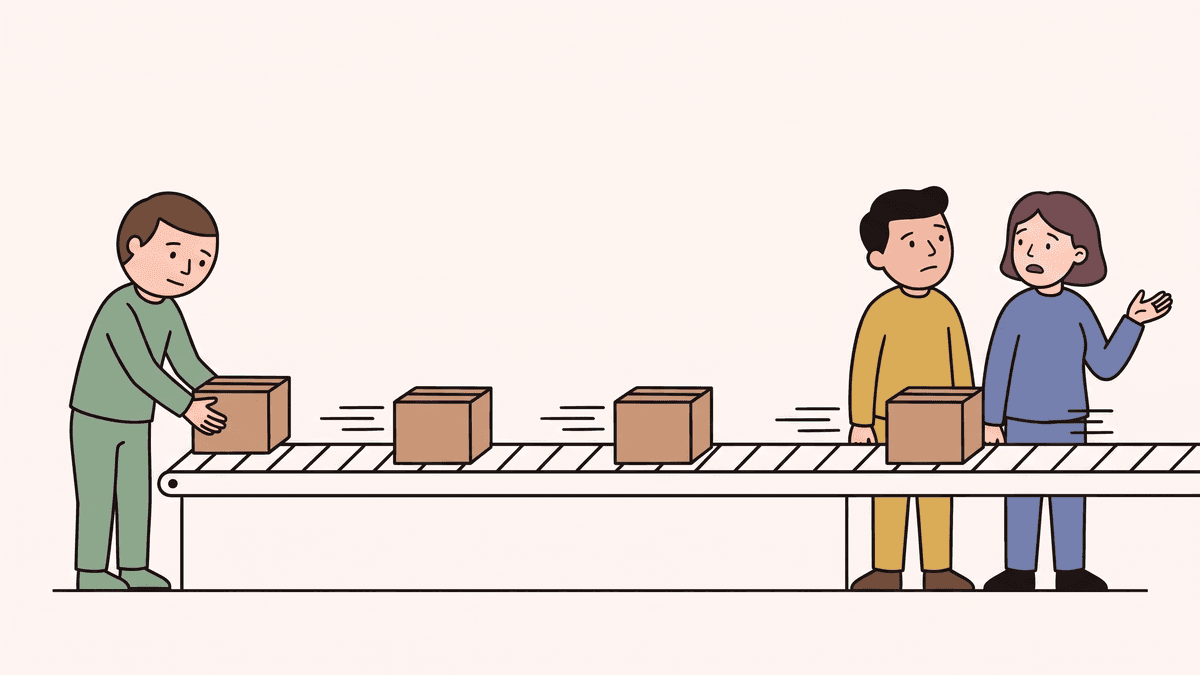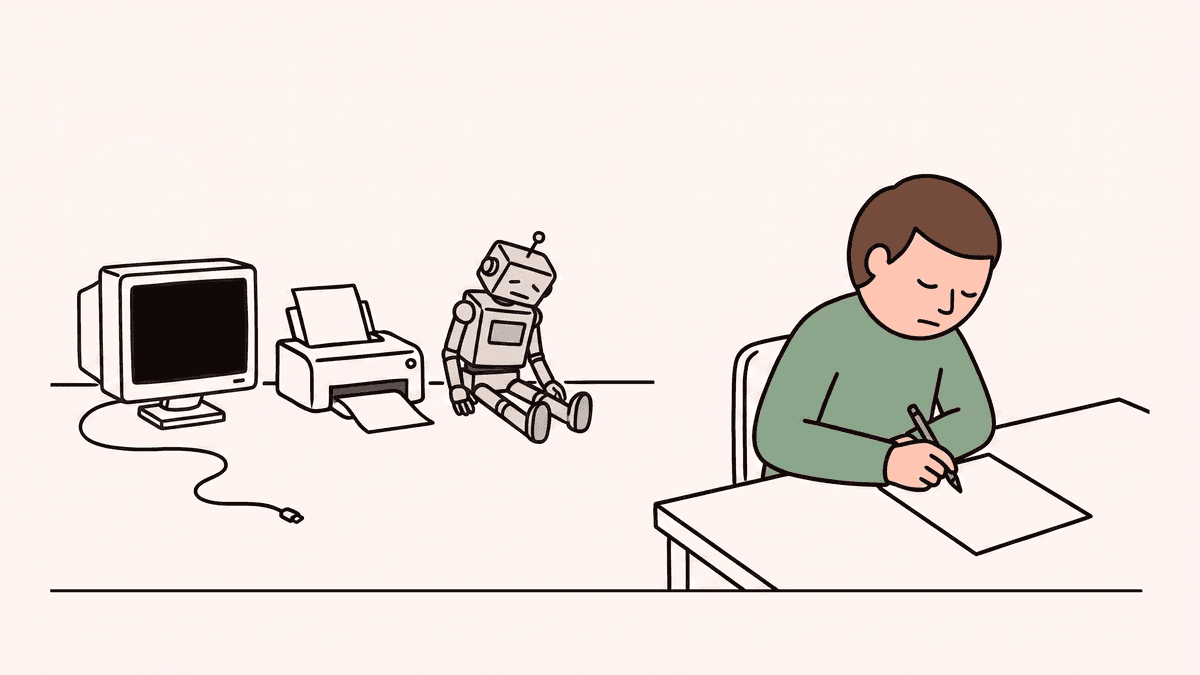
Almost every team I talk to has tried automating their release notes, and most of them have quietly gone back to writing them by hand.
It's the same story every time, in the same order. That usually means the tools are all missing the same thing.
It starts manual. A PM blocks out an afternoon, goes through what shipped, asks a couple of engineers about the parts they don't understand, and writes it up.
It works, but it takes most of a day, and it still misses things, because it's pieced together from tickets and Slack threads. That's what everyone wants to automate away.
Tickets describe what you planned
The obvious shortcut is to give the sprint's tickets to an AI tool. You get a tidy paragraph back.
The catch is that tickets are written before the work starts, so they describe the plan. Then scope gets cut, an edge case changes how a feature works, and a small fix ships without a ticket at all. The release notes describe what you meant to build, and customers find the rest first. Those are silent releases.
Reading the code gives you everything at once
The next try is pointing an AI at the code itself. That at least sees everything that shipped, but it can't tell what matters. A routine library update gets the same weight as a price change, and the result reads like it was written for engineers.
So you rewrite it. After a few weeks of rewriting, you realise you're doing the same job as before with an extra step, and you stop using the tool. If you built the tool yourself, you're also stuck maintaining it.
Automation took the wrong half
A release note is really two jobs. First, finding out what changed. Second, deciding what to tell customers and how.
Most tools automate the second one, the writing. But writing was never the slow part. Finding out what shipped was. Atlassian's 2025 research found teams spend about a quarter of their time looking for answers, and "what did we ship?" is one of them.
What changes when you already know what shipped
Specsight reads every release and writes down what changed in plain words. So by the time you sit down to write release notes, the finding out is done.
You start from a list of everything that changed in that period, grouped by feature. You pick what's worth telling customers, like a new feature or a price change, and leave out the internal changes they'd never notice. Specsight drafts the notes in your tone and style, and you edit and publish them yourself.
It doesn't take over your announcements. It saves you the hours of digging before you can start.
Release notes tell you what changed. What about everything else?
Release notes only cover what was worth announcing. They don't tell you everything your product does, how its features work together, or how they've changed over time.
That's the gap product observability fills. Specsight keeps an up-to-date view of your whole product: its features, how each one works and how it has changed. Release notes are one thing you can draw from it, along with the updates your sales and support teams need.
Browse the changes release notes get drafted from in the demo changelog. No account needed. To see your own product, get started.