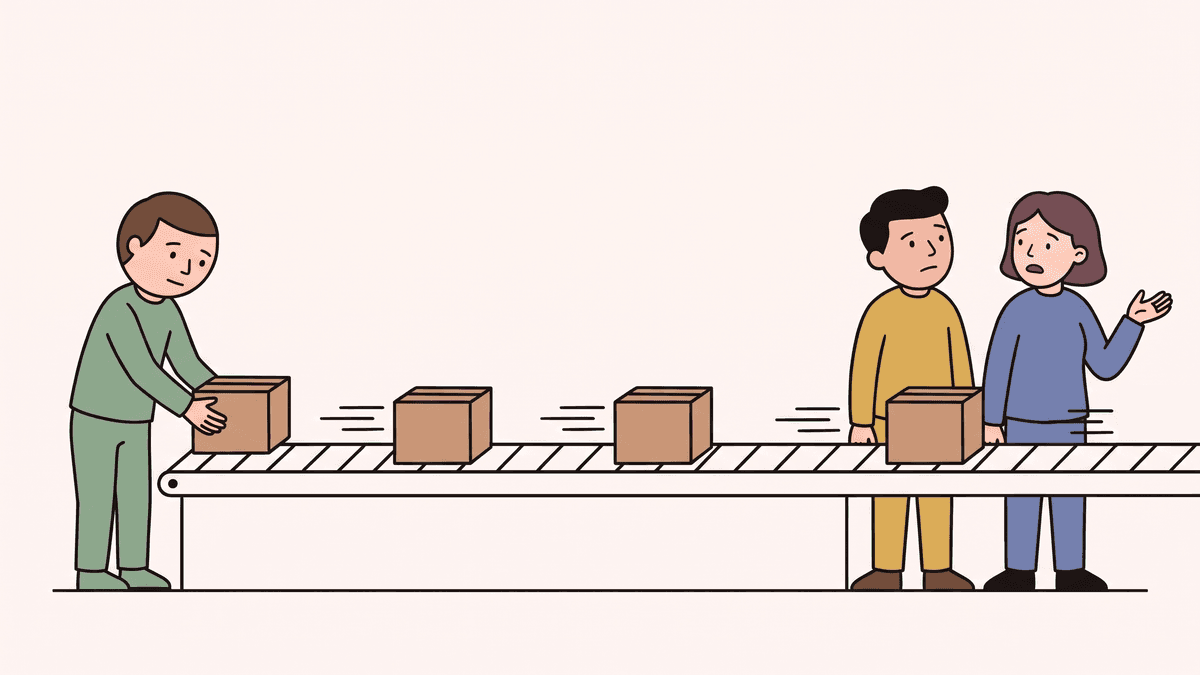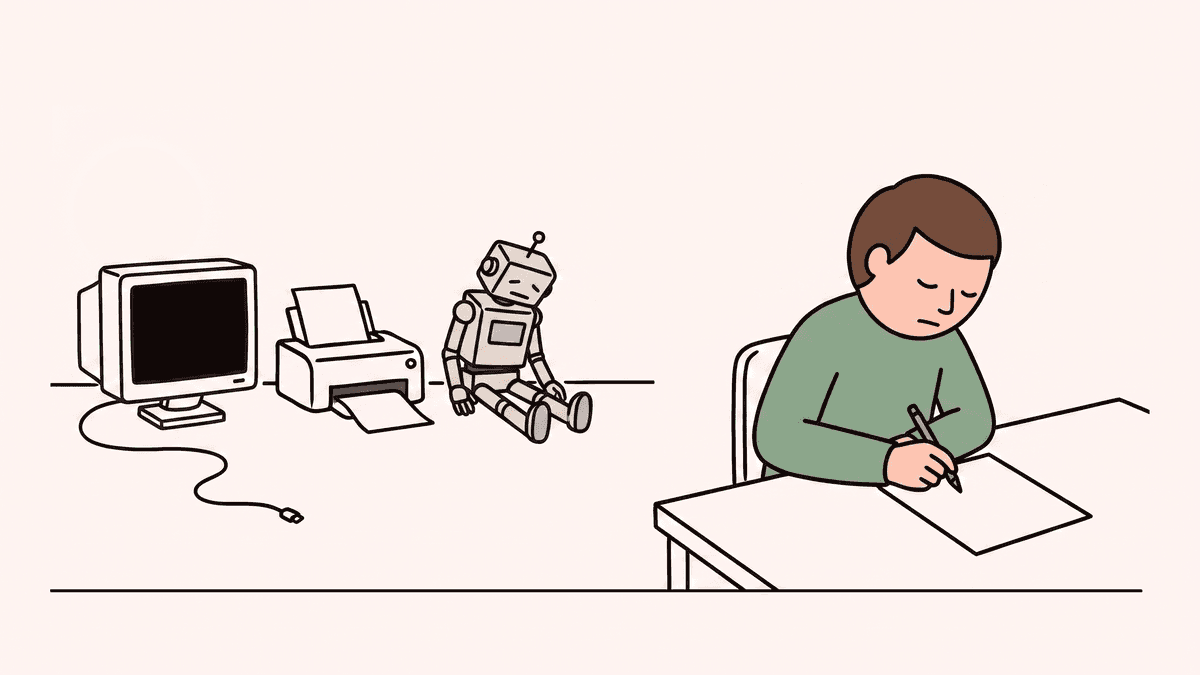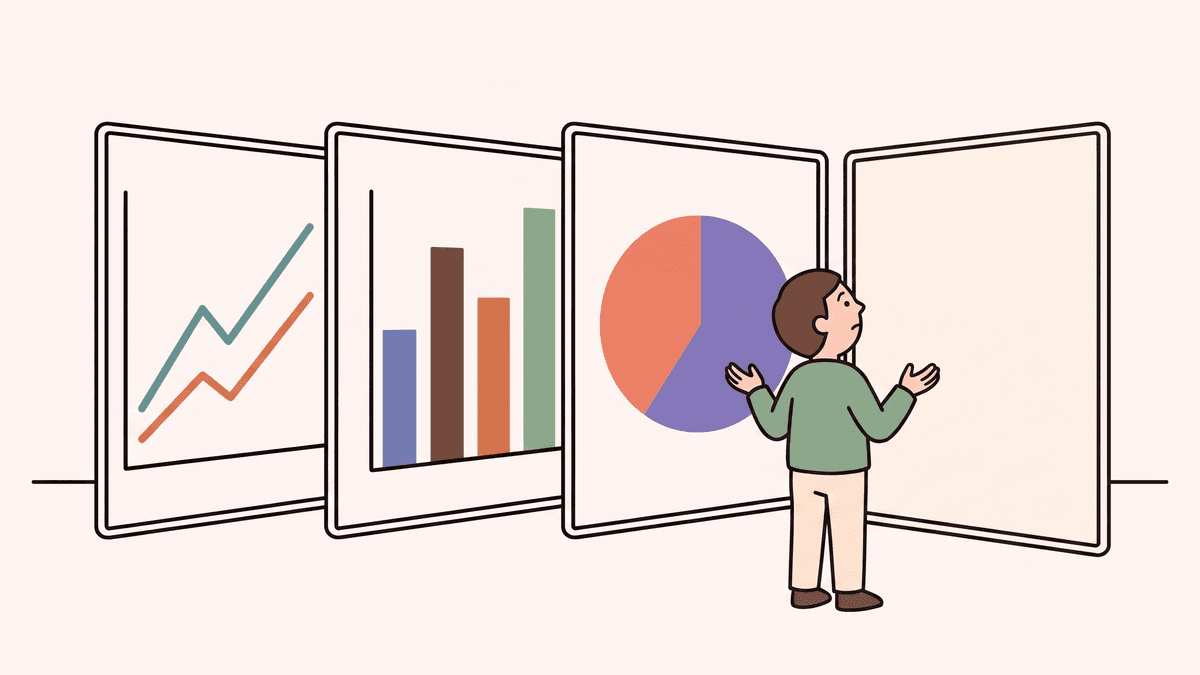
Your team has a dashboard for almost everything. Datadog shows whether the servers are up. Sentry shows errors. Amplitude shows what users click.
But ask a simple question, like "what changed in our product this week?" or "how does checkout work for annual plans?", and no dashboard has the answer. You end up digging through old docs or waiting for an engineer to reply.
What is product observability?
Product observability means you can always see how your product works and what changed in it, without asking engineering.
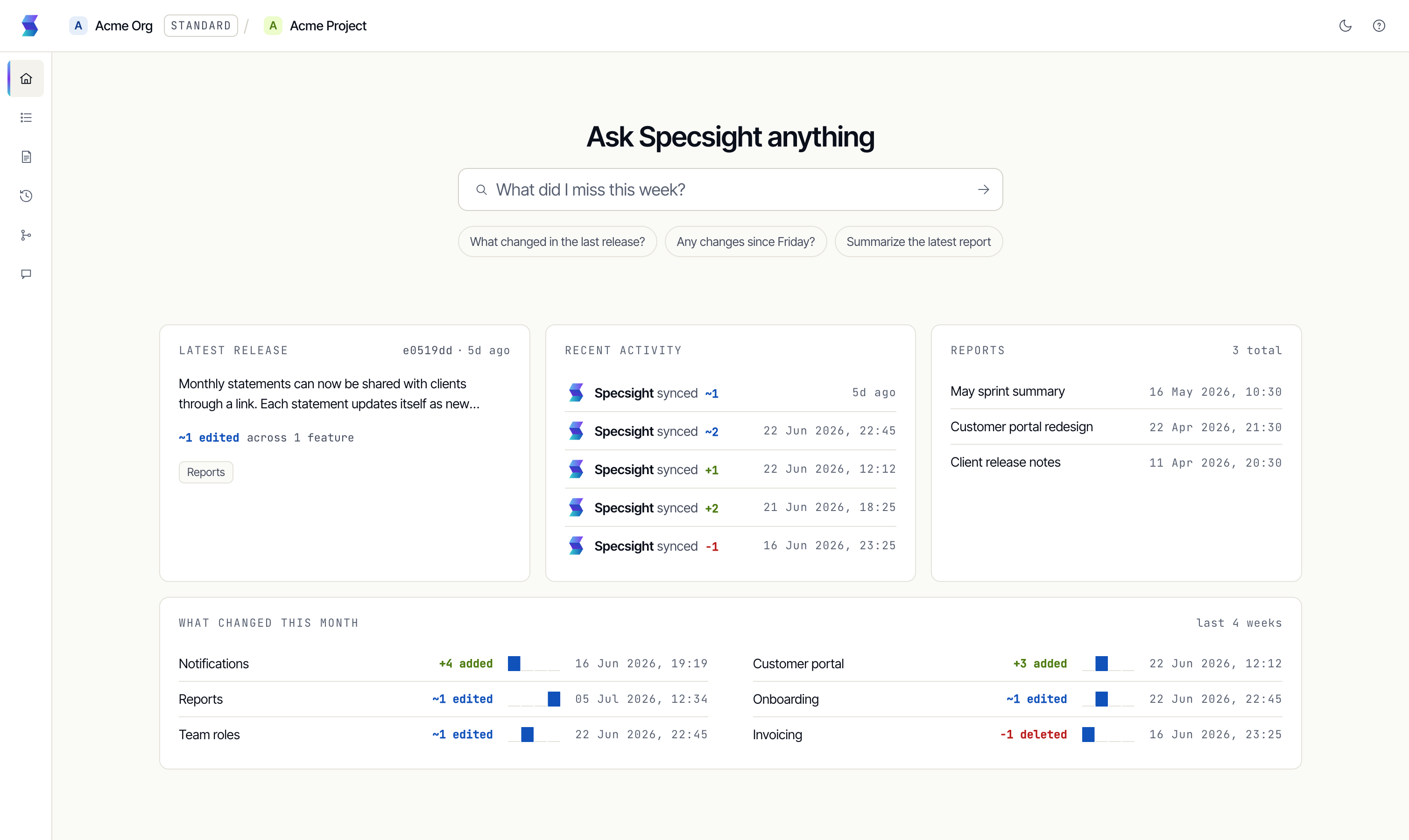
A tool like Specsight reads your code and describes your product in plain words: which features it has, how each one behaves, and what changed in every release. It reads the code again every time your team ships, so the picture keeps up with the product.
It isn't perfect. Code doesn't show everything a customer sees, like a setting switched on for one account. But it's much closer to the truth than a document written months ago.
Why your product needs its own dashboard
Over the last ten years, every part of the tech stack got a dashboard. Servers, errors, usage, revenue. The product itself didn't.
So when sales, support or product need an answer, they ask a person. Atlassian's 2025 research found teams spend about a quarter of their time searching for answers. With AI helping engineers ship faster, the questions only pile up.
How product observability works
- It reads your product once. Specsight goes through your codebase and lists your features, with a plain description of how each one behaves, including the edge cases and errors.
- It reads every release. Each time your team ships, it writes down what's new, what changed, what's gone and what got fixed.
- It keeps the history. You can see when something changed and in which release.
Say your team ships an update to file uploads. Specsight writes it up like this: new, you can upload 10 files at once; changed, the size limit is now 20MB; gone, the Save draft button; fixed, uploads that got stuck at 99%. Sales, support and product all read the same four lines.
Product observability vs analytics, release notes and documentation
They all describe your product, but each answers a different question.
| Answers | Comes from | |
|---|---|---|
| Product analytics | What do users do? | Clicks and events |
| Release notes | What do we want to tell customers? | Written after a release |
| Documentation | How did it work when it was written down? | Written by people |
| Product observability | How does it work now, and what changed? | Read from the code |
You'll likely want all four. Product observability is the one that keeps the others honest: release notes and help articles can start from what it already found.
What each team gets
- Product sees what actually shipped, without translating every change for the rest of the company.
- Sales knows what's new before a demo.
- Customer success sees changes before a customer brings them up.
- Support can answer "did this change?" without asking engineering.
You don't have to open another tool every day, either. Specsight emails a summary after each release and a weekly digest, and you can ask it questions in Claude or ChatGPT. More on that in how to keep teams updated on product changes.
See it in practice on the map of every feature in Specsight's own product. No account required. To see your own product, get started.