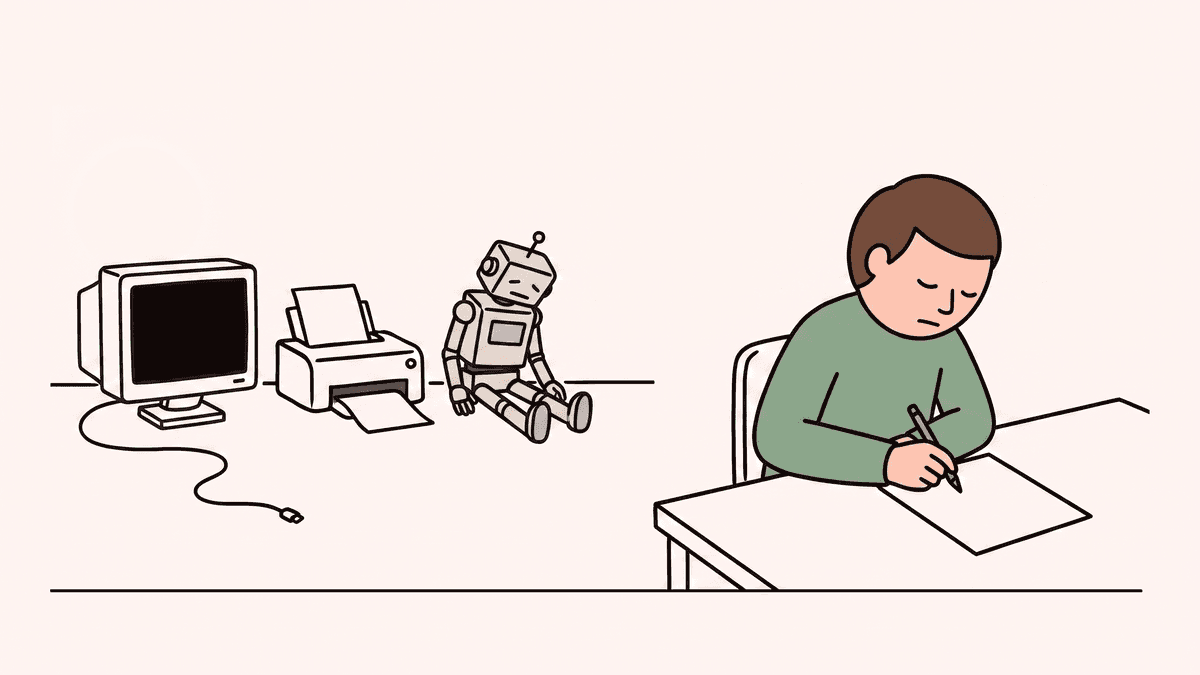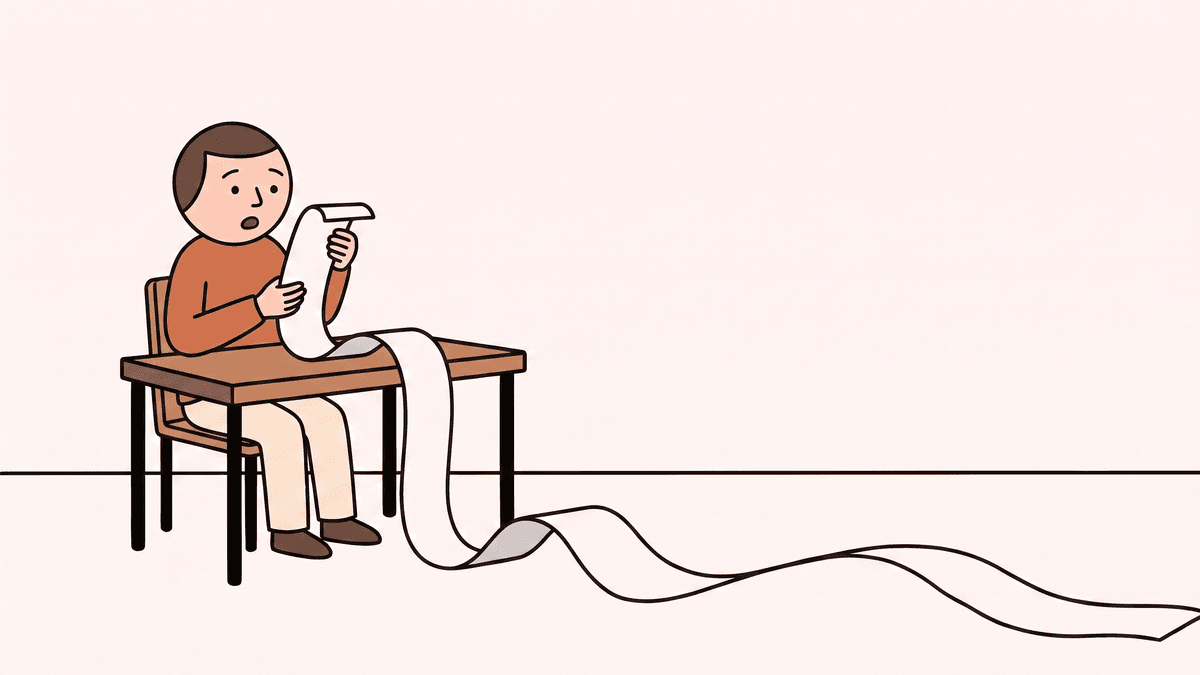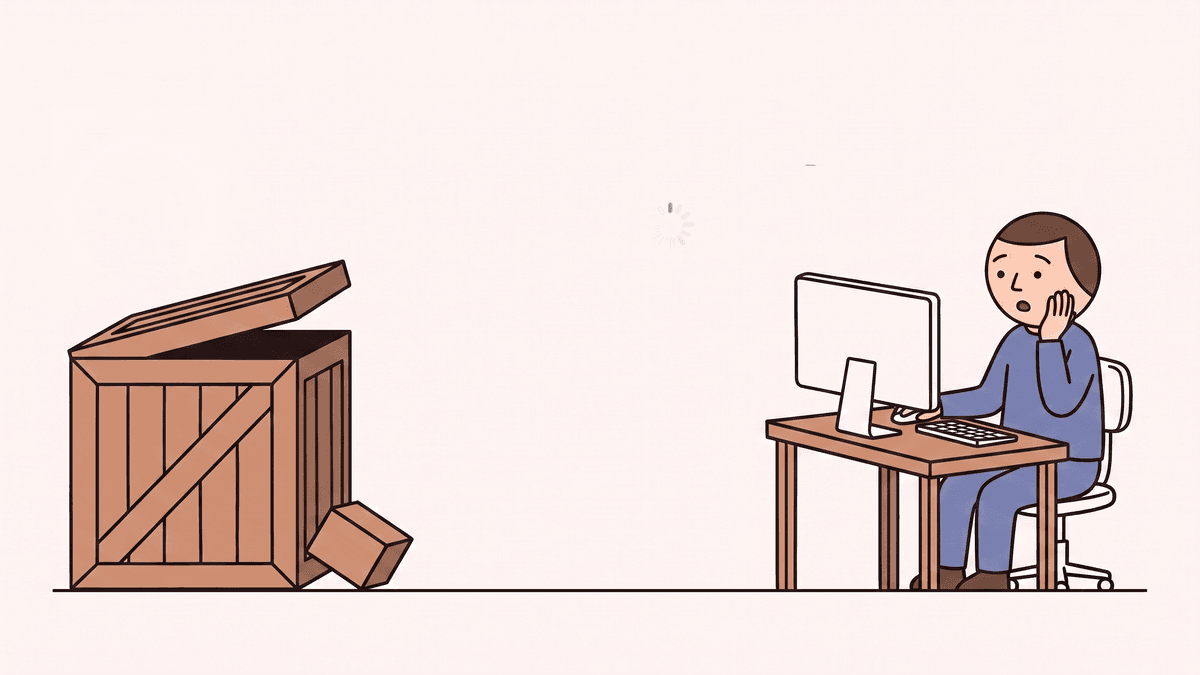
A customer messages support on Friday afternoon. A price they used to see in pounds is now in euros. Your customer success lead checks Tuesday's release notes. Nothing about currency. So they ping engineering, who reads the PR, finds the line, and confirms — a default got flipped during a refactor that was meant to clean up the locale module.
Nobody on the team knew that shipped. It wasn't in the Jira ticket the release notes were written from, because nobody had thought to put it there.
This is what I call a silent release: a behaviour change that ships invisibly, gets found by a customer first, and costs your team an hour of reverse-engineering for every fifteen minutes the engineer spent writing it.
Release notes describe the plan, not the build
The pipeline that produces a release note is broken before it starts.
A PM opens last sprint's tickets. They write a paragraph per ticket, paraphrased. An engineer drafts something in the PR description before the code is final. Marketing trims it. Customer success skims it. By the time the post goes up, the artefact reflects what the team intended to do — not what was actually merged.
The problem is structural. Tickets describe scope. PR descriptions describe intent. Neither describes outcome. Stripe's developer survey found engineers spend 42% of their time on maintenance — refactors, fixes, performance work — none of which produces a Jira ticket anyone is writing release notes from. The behaviour changes that ride along inside that maintenance just don't surface.
Even when a PR description is perfect, it captures the engineer's mental model of the change, not the code's actual behaviour. The two diverge under pressure. The drift is exactly the same drift that breaks documentation generally — the spec describes intent, the code describes reality, and after enough sprints, the gap is wide enough to drive a support ticket through.
The silent change is the dangerous one
Big features get scrutiny. PMs write copy. Marketing announces. The CEO mentions them on a sales call. If a flagship release ships broken, three people on the team notice before customers do.
The dangerous changes are not the flagship ones. They are the small behavioural shifts that ride along inside refactors, validation tweaks, error-handling improvements, and "while I was here" cleanups. A timeout drops from 30 days to 14. A validation rule rejects two extra characters it used to allow. A redirect target moves. A retry count increases. None of those will appear in the release notes. All of them will produce a confused customer within a week.
Only 3% of engineers completely trust their internal documentation (Port.io, 2025). That number is sometimes read as a documentation-quality problem. It is not. It is a catchment problem — the documentation process never sees the changes in the first place. You cannot trust a document that was never given the chance to be accurate.
The cost is paid by customer success. They answer questions from a release-notes file that lies by omission. They hedge — "I think it works this way" — because they have learned from experience that the release notes are not the whole story. The customer learns that your support team doesn't fully know your product. The blast radius widens with every silent release.
A changelog has to come from the code
The fix is not "make engineers fill in a better template". That has been on every team's list of good intentions since the invention of release notes, and it does not survive contact with a deadline.
The fix is to derive the changelog from the same place the behaviour came from — the code. When you have a structured spec of what every feature did before, you can compare the merged change against it and detect what actually shifted. Not the lines that moved. The behaviour that shifted. A line moved, but does the user see anything different? An if-branch was added — does it change the outcome of an existing scenario, or only add a new one?
This is the job Specsight does on every release. It already watches each feature's behaviour as a structured spec of Context/Action/Outcome scenarios. When code merges, it loads the relevant scenarios, compares them against the change, and decides three things per scenario: is this new, is this changed, is this gone. The output is a changelog written in plain English — not a list of code changes, not a paraphrase of tickets, but a description of what behaviour the release actually altered.
The DORA 2024 report found documentation quality is directly linked to organisational performance. It doesn't get directly linked because someone wrote better wiki pages. It gets linked because the team can trust what shipped. Code-derived changelogs are the only kind that earn that trust.
What this looks like in practice
Tuesday's release goes out. Within a few minutes, your team gets a changelog that lists, feature by feature: scenarios added, scenarios updated (with before/after), scenarios removed. Customer success starts the day knowing what changed. PMs share it with stakeholders without editing. The CEO can answer a sales-call question without DM'ing engineering.
"What changed last sprint?" stops being a meeting. It becomes a link.
The silent release goes away — not because your team became more disciplined, but because nothing about the change has to live in someone's head to be captured. The code is the source of truth, and the changelog is downstream of the code. That is the only configuration that does not drift.
The demo project shows a real Specsight changelog generated from a real codebase — every scenario added, updated, or removed since the project was connected. No account required. If you want to connect your own repository, get started.