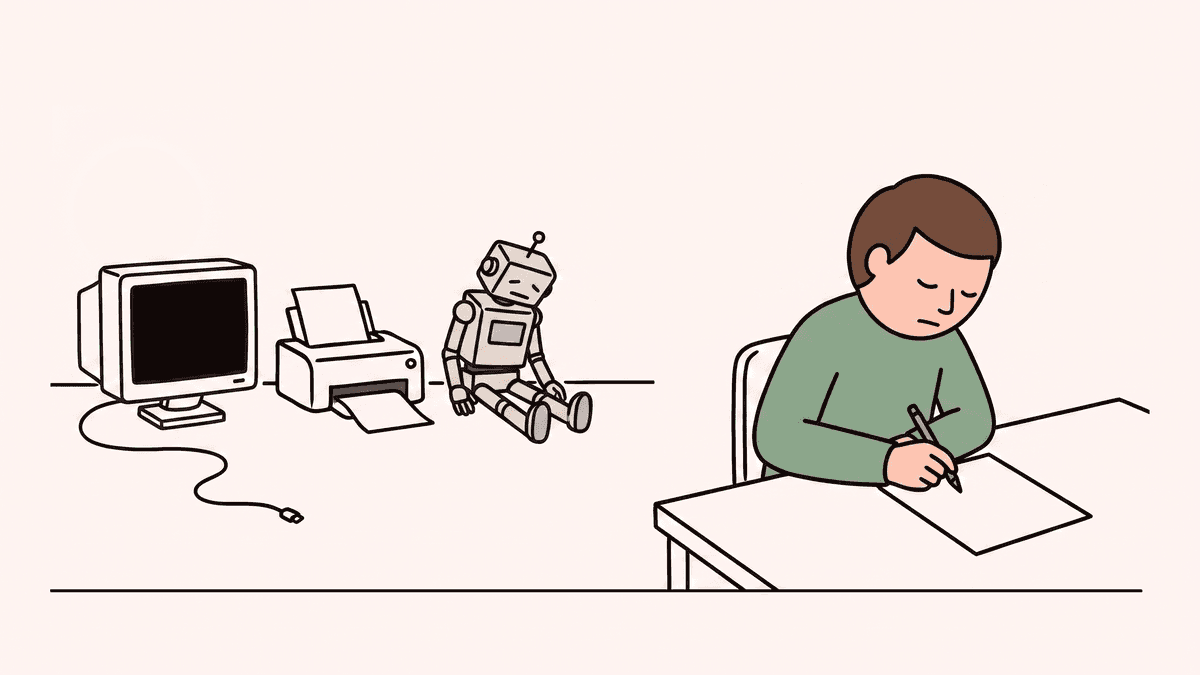
Every team I've spoken to has the same Confluence story. Someone wrote a great spec two years ago — thorough, edge cases, diagrams. Today about 40% of it is wrong, and nobody knows which 40%.
People reach for that story to argue Specsight is a better Confluence. It isn't. It's a different category, and that distinction is the whole point.
Confluence is where you write things down
That's not a knock — it's what a wiki is for. Confluence holds the things only a human can produce: architecture decisions, meeting notes, onboarding guides, the reasoning behind a call you made in March. You write them, and they're true the moment you save.
The trouble starts when you ask a wiki to track something that changes without anyone writing it down — like your product's behaviour. Every release shifts it. Nobody updates the page. The gap between what the wiki says and what's live widens silently, until someone makes a decision on a paragraph that stopped being true months ago.
This isn't a Confluence flaw. Notion does it. Google Docs does it. Any tool that depends on a human remembering to keep a separate page in sync with a moving codebase does it. The cause is structural, not a discipline problem.
Specsight is product observability
Here's the reframe. You already instrument everything around your product — servers, errors, latency, usage. You'd never run a backend blind; you watch a dashboard that tells you what's actually happening, right now, without anyone writing it down. That's observability.
The product itself — the thing your customers actually touch — never got that treatment. What every feature does, how features connect, what changed in the last release: there's no instrument for it. So everyone outside engineering flies blind, or books a meeting to ask.
Specsight is that instrument. It reads your codebase — the one place that always reflects what the product truly does — and shows you the behaviour in plain language: every feature, broken into Context/Action/Outcome scenarios anyone can read. Ship a release, and it re-reads what changed; the picture updates itself. You're not maintaining a document. You're watching an instrument, the way you watch Datadog.
That's why "does it stay current?" is the wrong question. A dashboard doesn't "stay current" — being current is just what it is. Specsight can't drift, because there's no separate artefact to drift from. The code is the source of truth, and the view is read straight off it.
So which do you need?
Both, for different jobs.
Keep Confluence for everything that lives in someone's head until they write it down: decisions, rationale, processes, runbooks, plans. A wiki is the right home for those, and Specsight doesn't touch them.
Reach for Specsight for the question Confluence structurally can't answer: what changed last release, and how does the product behave now? A PM sees what shipped without asking an engineer. Customer success answers a question without hedging. A new hire reads the product instead of interviewing five people about it.
The instinct, when the wiki goes stale, is to write more and update more often. That's running harder on a treadmill. The other option is to stop hand-maintaining the picture at all — and let an instrument read it for you.
See it for yourself — the demo project is Specsight running on a real codebase, no account required. Or connect your own repository.